The Hidden Costs of DIY Tuning: What to Actually Budget in Your First Year
The interface is the line everybody compares and the smallest one that matters. Here is the full first-year cost picture of tuning your own car — hardware, licensing, verification, dyno time, and the costs that only appear when something goes wrong.
By TuneVault
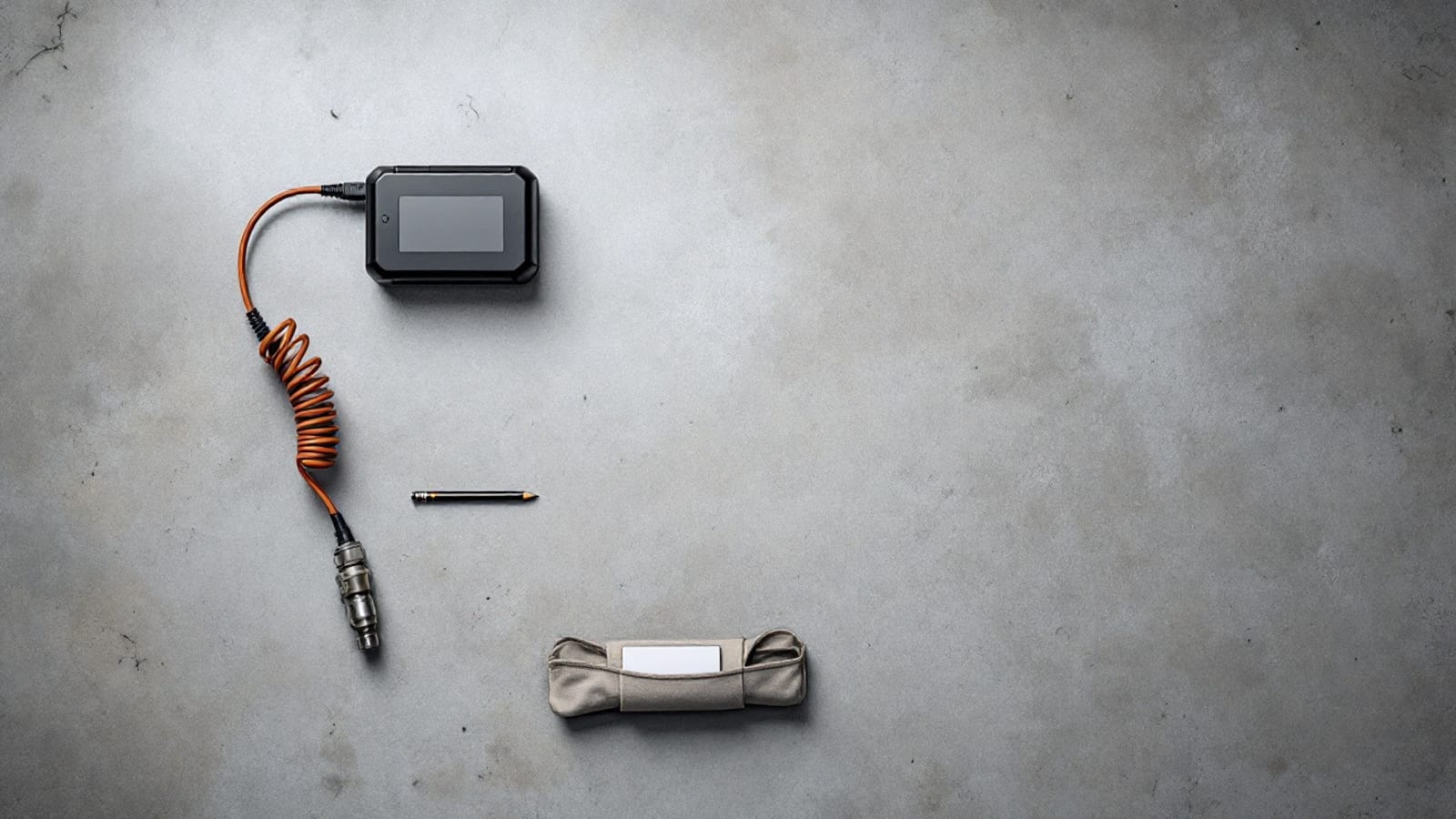
Every comparison of DIY tuning against paying a shop starts with the price of the interface, which is the wrong number to start with. As of July 2026, the interface is usually one of the smaller lines in a realistic first-year budget — and the lines people forget are the ones that decide whether the money produced anything useful.
This is the full accounting, including the parts that are uncomfortable.
Category 1: the hardware you cannot skip
The interface and software. The obvious line. Whichever platform your vehicle is supported by — and coverage is narrower than most people assume, which the platform comparison covers — this is a one-time purchase, and it is the item everybody prices before buying and nobody regrets.
A laptop you are willing to bring into a garage. It does not need to be fast. It needs to be reliable, have real ports or a known-good adapter, and hold enough charge to complete a write. Using your only work machine is a decision you make once.
Stable vehicle power during a flash. A battery maintainer or charger. This is among the cheapest items on the list and it prevents the single most expensive routine failure in DIY tuning — a write interrupted by falling voltage, which turns a fifteen-minute job into a module recovery.
A wideband oxygen sensor. The most commonly skipped item and the one that makes the rest of the budget meaningful or meaningless. The factory narrowband sensor is accurate only very near the stoichiometric point; beyond that it effectively reports rich-or-lean and nothing more. Full-load tuning without a wideband is not cheaper tuning — it is unverifiable tuning, which is a different and worse product.
Category 2: the recurring costs
This is where the sticker-price comparison falls apart.
Per-vehicle licensing. Several full-suite platforms license the interface to each controller it writes to, consuming credits per vehicle. One car, one modest addition. Three cars over two years, a recurring line that rivals the interface itself — and it generally does not transfer when the car is sold. HP Tuners publishes its terms for universal credits, and the credits and VIN licensing article covers what the model means in practice.
Fuel. Genuinely non-trivial. Datalogging is a series of drives, and calibration development on a boosted car can be a lot of drives. Nobody budgets it and everybody spends it.
Review or verification. Whether that is occasional paid help, dyno time, or a service like this one. TuneVault's own numbers are on the pricing page and they are simple: $39 for a single guided tune covering a full table audit, an exact change list and one datalog verification pass for one vehicle, or monthly plans at $19 (Garage, up to 3 tunes/month), $49 (Pro, up to 10) and $249 (Shop, unlimited with multiple seats).
Category 3: the optional costs that are not always optional
Dyno time. Not required for a healthy street calibration developed with careful road logs. Strongly worth it on high-boost or unusual builds where repeatable load control and a direct torque number are the only way to know what a change actually did. A common and sensible pattern is to develop at home and buy an hour of dyno time to confirm the result.
Supporting sensors. Boost pressure, fuel pressure, additional temperature channels. Each one turns a guess into a measurement, and on a boosted build most of them stop being optional fairly quickly.
A second vehicle. Rarely discussed and frequently decisive. If the car you are learning to tune is the car you drive to work, every mistake is also a transportation problem, and that pressure produces exactly the rushed decisions this hobby punishes.
The comparison that actually matters
| Cost line | Type | Skippable? |
|---|---|---|
| Interface + software | One-time | No |
| Laptop | One-time | No |
| Battery maintainer | One-time, small | Technically — but it prevents the worst routine failure |
| Wideband sensor | One-time | Not for any full-load work |
| Per-vehicle licensing | Recurring per car | No, where the platform uses it |
| Fuel for datalogging | Recurring | No |
| Review / verification | Per tune or monthly | Yes, at the cost of flying blind |
| Dyno time | Optional | Yes for street builds, no for high boost |
| Supporting sensors | Incremental | Depends on the build |
| A damaged engine | Catastrophic | Only by spending on the lines above |
That last row is not there for drama. It is the actual economics: every item above it is cheap relative to it, and the entire case for spending on verification is that it moves probability away from that row.
When DIY is cheaper, and when it is not
Paying a shop wins when you have one car, one tune, no interest in the craft, and a build that a competent local tuner has seen before. A single custom dyno session — the pricing page puts these in the $300–600 range — is straightforwardly less than assembling the equipment to do it yourself once.
DIY wins across repetition. The hardware is one-time; the marginal cost of the fifth revision is fuel and an afternoon. If you plan to change parts over a couple of years, tune more than one vehicle, or simply want to understand what is happening under the hood rather than outsource it, the curve crosses quickly. The full cost guide works through the crossover in more detail.
The middle path is the one most people actually want: own the hardware, do the flashing and the logging yourself, and buy expertise per revision rather than per hour. That is a materially different cost structure from either extreme, and it is what the copilot versus e-tuner versus dyno shop comparison lays out.
The cost of learning, which is real
There is a line that never appears in budgets: the tunes that taught you something and produced nothing. Everyone's first several calibration attempts are practice. They consume fuel, evenings and patience, and they are not wasted — but they are a cost, and pretending otherwise is why people quit at month three feeling cheated.
Two things reduce it substantially. Change one thing per datalog, so every drive teaches you exactly one fact — the datalog reading guide covers the discipline. And keep records, so month six can learn from month two instead of repeating it; the file management workflow is the boring habit that makes this possible.
What to buy first if the budget is tight
In order, and this order is deliberate:
- The interface your vehicle is actually supported by. Verify coverage against the vendor's own list before purchase, not after.
- A battery maintainer. Small money, prevents the worst routine failure.
- A wideband sensor. Before your first full-load pull, not after it goes wrong.
- Review of your first calibration. A single guided tune at $39 costs less than one tank of premium and answers the question that stops most people from starting — whether the file is safe to flash.
- Everything else, as the build demands it.
Dyno time, extra sensors and a second laptop can all wait. The ability to verify cannot, because unverified changes are not progress — they are just changes.
If you want that first review before your next flash rather than a diagnosis after it, start here. And if you are still deciding whether the whole exercise is for you, the ECU tuning fundamentals article is the honest version of what the work involves.
Frequently asked questions
Is DIY tuning actually cheaper than paying a shop?
Over one car and one tune, usually not — the equipment outlay alone exceeds a single dyno session, which as noted on our pricing page typically runs in the $300–600 range for a custom tune. DIY becomes cheaper across multiple tunes, multiple revisions, or multiple vehicles, because the hardware cost is one-time and the marginal cost of the next revision approaches zero. If you intend to tune one car once and never touch it again, paying someone is the rational choice.
What is the biggest cost people forget?
Wideband verification. Full-load tuning without a wideband oxygen sensor is unverifiable — the factory sensor cannot report meaningful fueling outside a narrow band around stoichiometric — so skipping it does not save money, it just makes everything you spent afterwards unprovable. The second most forgotten is per-vehicle licensing on platforms that use it, which is recurring rather than one-time.
How much does a TuneVault plan cost?
A single guided tune is $39, which covers a full table audit, an exact change list and one datalog verification pass for one vehicle. Monthly plans are $19 for Garage, $49 for Pro and $249 for Shop, with the differences being how many guided tunes per month and how much datalog re-checking is included. Monthly plans cancel anytime and per-tune has no commitment.
Do I need a dyno if I am tuning at home?
Not necessarily for a healthy street calibration, which can be developed and verified with careful road datalogs. A dyno earns its cost when you need repeatable load control and a direct torque measurement — high-boost builds, unusual combinations, or when you are chasing the last few percent and need to know precisely what a change did. Many DIY tuners do the development themselves and buy an hour of dyno time only to confirm the final result.
What happens to my licensing costs if I sell the car?
On platforms using per-vehicle licensing, the licence generally stays with the vehicle it was applied to and does not follow you to the next one. That means the cost repeats with each new car you tune. Budget it as a per-vehicle line rather than a one-time purchase, and read the vendor's current terms before assuming anything about transfers.
What is the cost of getting it wrong?
That is the line that dominates the whole budget and the one nobody can quote. A damaged engine costs more than every other item on this list combined, which is why the cheap items that prevent it — a wideband sensor, a battery maintainer, a saved stock read, a second opinion before a flash — are the highest-return money in the entire exercise.
Can I start cheaper and add equipment later?
Partly. You can defer dyno time indefinitely and start with modest tooling. What you cannot sensibly defer is the ability to verify — an interface without a wideband will let you make changes you have no way to evaluate. The honest minimum for full-load work is interface, laptop, stable vehicle power and wideband; everything beyond that can wait.