Car tuning, explained without the hype
Deep, sourced articles on HP Tuners, ECU tables, datalog verification, and the safety discipline that keeps engines alive — no fabricated dyno numbers, just real references.

How to Compare Two Tune Files: Diffing a Tune Against Stock in VCM Editor
A tune file is thousands of values and no change log. Comparing it against the stock read is the only way to see exactly what someone altered. How the compare workflow works, how to read the differences in a sensible order, and what a comparison cannot tell you.
Read the article →
EcoBoost Tuning Basics: The Torque Model, Boost and Direct-Injection Limits
An EcoBoost does not have a boost knob. It has a torque request, and boost is what the computer does to satisfy it. How the torque-based strategy works, what limits a turbocharged direct-injection engine, and where a first-time tuner should and should not start.
Read the article →
What a Supercharger or Turbo Tune Really Costs: Budgeting the Calibration
The tune is the smallest line on a boosted build's parts list and the one that decides whether the rest survives. What the calibration costs by route, the supporting items people forget to budget, and why a boosted tune takes longer than a bolt-on tune.
Read the article →
HEMI Tuning Cost: What to Expect on a Charger, Challenger or Ram
The tune itself is rarely the surprise on a Mopar. The surprise is the step before it: confirming the controller can be accessed at all. What a HEMI tune costs by route, the access question that decides the budget on newer cars and trucks, and what the money actually changes.
Read the article →
How Long Does a Tune Take? Dyno, E-Tune and DIY Timelines
A dyno session is hours, an e-tune is days per revision, and DIY is weekends — but the calendar that matters starts earlier and ends later than any of those. Realistic timelines for each route, what stretches them, and what to do when you need the car fixed fast.
Read the article →
LS Swap Tuning: Who to Talk To — Mail-Order Flash, Local Tuner or DIY
A swap needs two different jobs done to its computer: making it start in a chassis it was never built for, and calibrating it for the engine you actually built. Which of the three routes does which job, what to ask each one, and how to pick by build rather than by price.
Read the article →
Retune Cost After New Mods: When It's a Revision and When It's a New Tune
Every new part raises the same question: does the existing tune need touching, and will that be a small update or a fresh bill? How tuners decide, which parts fall on which side of the line, and how to plan a build so you pay for calibration once instead of four times.
Read the article →
TuneVault FAQ: What It Does, What It Does Not, and What You Need
Straight answers to the questions people ask before signing up: what TuneVault actually is, why it works from screenshots, which engines it covers, what it costs, what hardware you need first, and the things it deliberately will not do.
Read the article →
Fan and Thermostat Tuning: Coolant Targets Without Overcorrecting
Lowering fan-on temperature is the most commonly changed table in an enthusiast tune and one of the least understood. What the fan tables actually control, why hysteresis matters more than the number, what a colder thermostat does and does not fix, and the codes you trigger by running too cool.
Read the article →
Does Tuning Shorten Engine Life? An Honest Answer
The tune is not the variable — margin is. Which changes genuinely consume engine life, which ones cost nothing, why the same file can be harmless in one car and fatal in another, and what the maintenance schedule should actually become afterwards.
Read the article →
False Knock vs Real Detonation: Reading Noise in Your Datalog
A knock sensor is a microphone, and plenty of things in an engine bay sound like detonation to it. How to tell mechanical noise from genuine knock in a datalog, which sources cause false readings on which engines, the one test that settles it, and why raising the noise threshold is the wrong first move.
Read the article →
How to Vet a Tuner: The Questions to Ask and the Red Flags
Nobody can tell you which shop is best from the internet, but there are eight questions whose answers separate a tuner who will look after your engine from one who will hand you a file. What to ask, what a good answer sounds like, and the four red flags worth walking away over.
Read the article →
Measuring Power Without a Dyno: GPS, Timeslips and Datalogs
You rarely need a horsepower number — you need to know whether the change helped. Three ways to answer that without renting a dyno, what each one can and cannot tell you, the inputs that make a GPS estimate meaningless when they are wrong, and why the datalog you already have is the most honest of the three.
Read the article →
Nitrous Tuning Basics: Timing Retard, Fuelling and Safety Switches
Nitrous adds cylinder pressure faster than any other bolt-on, which is why it punishes a lazy calibration hardest. How much timing to pull per shot size, why dry kits and mass-air cars fight each other, which safety interlocks are not optional, and what the datalog must show before a second pass.
Read the article →
Rev Limiters, Fuel Cut and Safety Limits: What to Leave Alone
A calibration is full of limits, and they are not all the same kind of thing. Which ones are tuning parameters, which ones are protection that should never be raised, what has to be true mechanically before a rev limit moves, and why fuel cut and spark cut behave differently.
Read the article →
Seasonal and Altitude Retunes: When a Second File Earns Its Keep
Cold winter air and thin mountain air change what the engine wants, but the ECU already compensates for most of it. Where the factory correction runs out, which cars actually benefit from a summer and a winter file, and how to build the second one without starting over.
Read the article →
I Have a Datalog and Don't Understand It: A Symptom-to-Channel Index
Start from the complaint, not the spreadsheet. A lookup table that maps what the car is actually doing wrong to the two or three logged channels that explain it, plus how to read each one and what a healthy value looks like.
Read the article →
Do I Need a Tune After Intake? Expert Answer
Find out which bolt-on mods actually require tuning and which your car handles fine. Skip unnecessary spending with this honest breakdown.
Read the article →
Tuning a GM 5.3 or 6.2 Truck: Realistic Gains and What It Costs
An honest budget and expectation guide for tuning a Silverado, Sierra, Tahoe or Yukon. Where the gains actually come from on a stock truck, what cylinder deactivation and cam phasing change, and the real cost of each route from DIY to dyno.
Read the article →
How to Read a Dyno Sheet: Correction Factors, Smoothing and Honest Numbers
A dyno graph is a measurement with settings, not a fact. What the correction factor does to the peak number, why smoothing changes the shape of a curve, which traces matter more than the headline figure, and how to compare two sheets without fooling yourself.
Read the article →
Running Multiple Tune Files: 91, 93, E85 and Valet Without Losing Track
Most tuned cars end up with more than one calibration. How to structure a family of octane and mode files so they stay related rather than drifting apart, what actually changes between them, and the naming and verification discipline that stops you flashing the wrong one.
Read the article →
Tuning a Truck for Towing: Transmission, Timing and Heat
A tow calibration is not a power calibration with a different name. What actually helps a loaded truck — shift scheduling, converter lockup, torque management and deliberate timing margin — and why the right answer is usually a separate, more conservative file.
Read the article →
Tuning and Your Factory Warranty: What a Dealer Can and Cannot Deny
A tune does not automatically void a factory warranty, and a dealer cannot deny an unrelated claim just because one exists. What the Magnuson-Moss Warranty Act actually says, what flash counters change about the conversation, and how to make an honest decision about the risk.
Read the article →
Who Owns Your Tune File? Locked Tunes, Tuner Licences and Getting Your Calibration Back
Paying for a tune does not always mean you receive a file you can open, edit or take elsewhere. What locking actually does, why tuners use it, what you are entitled to ask for before you pay, and what your options are when a tuner goes quiet.
Read the article →
Buying a Used Modified Car: How to Find Out What Tune Is Loaded Before You Pay
The calibration is the one modification you cannot see, and it is the one that decides whether the engine survives. What to ask, what to read from the car in ten minutes, and which answers should end the viewing.
Read the article →
Check Engine Light After a Tune: Which Codes Are Real and Which Are Calibration Side Effects
A code after a flash is information, not an inconvenience. How to tell a genuine fault from a threshold the calibration moved, why clearing codes is not fixing them, and what a light means for your next inspection.
Read the article →
Hard Starting After a Tune: Cranking Fuel, Startup Enrichment, and What to Check First
A car that ran fine before the flash and now needs three cranks to catch is almost always a startup calibration problem, not a fuel pump. The tables that control cranking and cold start, what each symptom points at, and the order to check them in.
Read the article →
Idle Control Tuning: Desired Idle, Airflow, and Spark Stabilisation Explained
Idle is not one setting, it is a control loop with three levers the computer pulls in a fixed order. What desired idle, idle airflow and idle spark actually do, why hunting and sag are different faults, and how to tune them without chasing your own corrections.
Read the article →
Injector Duty Cycle and Fuel Pump Headroom: How to Tell You've Outgrown Your Fuel System
Running out of fuel system is the most common way a tuned engine gets hurt, and it announces itself in a datalog long before it happens. What duty cycle really means, how to read fuel pressure under load, and the numbers that say stop.
Read the article →
Before You Pay for a Tune: The Mechanical Checklist That Saves a Wasted Weekend
A calibration can only optimise an engine that is already healthy. The nine checks worth doing before you book, what each one costs in time, and how to tell whether you need a tuner or a mechanic first.
Read the article →
Throttle Response Tuning: Pedal Maps, Torque Tables, and What 'Snappier' Actually Costs
A sharper pedal adds no power — it changes where the power you already have arrives in the pedal's travel. How drive-by-wire actually works, which table to edit, and why an aggressive pedal map makes a car harder to drive smoothly.
Read the article →
Cam Phasing Tuning: What GM and Ford Variable Valve Timing Tables Actually Do
Variable valve timing is the table set most DIY tuners leave alone, and often the one with the most torque left in it. What cam phasing changes, why it breaks the air model, and how to adjust it without creating a misfire you cannot find.
Read the article →
Cheap ECU Tuning: What Is Safe to Save Money On, and What Is Not
A reasonable ECU tuning budget in 2026 runs from about $39 for guided DIY help up to $300-600 for a custom dyno tune. Here is where cutting cost is genuinely fine, and where it quietly buys you an engine failure.
Read the article →
Dyno Time Explained: What a Session Costs, What Happens, and When Street Data Is Enough
A custom dyno tune runs about $300-600 on a mainstream platform. Here is what those hours actually buy, hour by hour, and the honest test for whether your build needs a dyno at all.
Read the article →
HEMI Tuning with HP Tuners: Checking Coverage and Knowing Which Tables Matter
Mopar V8 platforms are well represented on HP Tuners, but coverage is decided controller by controller, not badge by badge. Here is how to confirm your car before you spend, and which HEMI-specific tables actually change the way it drives.
Read the article →
You Lost Your Stock Tune File: Recovery Options, Ranked
A dead laptop, a formatted drive or a car bought already tuned, and the original calibration is gone. Here is what can still be recovered, what cannot, and the ten-minute habit that makes this a non-event.
Read the article →
Living With a Tuned Car: What to Re-Check at 500, 5,000 and 15,000 Miles
A tune is not a one-off event. Fuel changes, seasons change, adaptations drift and parts wear. Here is a practical re-check schedule for a tuned car, and the four numbers worth watching for the life of the vehicle.
Read the article →
TuneVault vs HP Tuners Alone: What a Copilot Adds to VCM Editor
HP Tuners gives you access to the calibration. It does not tell you which numbers to change. Here is exactly where a tuning copilot fits, what it does not replace, and when you do not need one at all.
Read the article →
Tuning and the Paperwork: Registration, Insurance, Warranty and Resale
Most tuning worry is about the engine. The consequences that actually cost people money are administrative — inspection, an insurance claim, a warranty denial or a resale conversation. Here is how each one really works.
Read the article →
When to Stop DIY Tuning and Hand It to a Professional: Seven Honest Stop Signs
Most DIY tuning problems are learning problems and you should push through them. A few are signals to stop and pay someone. Here is how to tell which one you are looking at, before the expensive version of the lesson.
Read the article →
Boost Control Tuning Basics: Wastegate Duty, Targets and Adding Pressure Safely
How electronic boost control actually works — spring pressure, wastegate duty cycle, target versus actual boost and the closed-loop correction between them — plus the order to change things in when you want more pressure without hurting the engine.
Read the article →
Can a Dealer Tell Your Car Has Been Tuned? Flash Counters and Warranty Reality
What a dealer can actually see when a car has been flashed, what returning to stock does and does not erase, what the Magnuson-Moss Warranty Act really says about modified vehicles, and why disclosure is the cheaper path.
Read the article →
Car Tuning in Arizona: Heat, Emissions Zones and Remote Options
What makes tuning a car in Arizona different — 115F heat soak, a mile of elevation swing between Phoenix and Flagstaff, and emissions testing that applies only in two metro counties. Plus how to get quality help when the nearest good tuner is hours away.
Read the article →
Is My Import Supported? Tuning Platform Coverage for Honda, Subaru and Toyota
An honest look at tuning platform coverage for Japanese imports — why the tool that covers your friend's truck may not touch your Civic, which suites serve which brands, and how to check support for your exact car before you spend anything.
Read the article →
What Should I Expect to Pay to Tune a Mustang? Coyote and EcoBoost Costs
A straight answer on Mustang tuning cost as of August 2026 — what a custom dyno tune, a remote e-tune, a canned handheld file and the DIY route each cost on a Coyote GT or an EcoBoost, and which one your build actually needs.
Read the article →
Open Loop vs Closed Loop Fueling: What Your ECU Is Doing and When
Your engine controller switches between two completely different fuelling strategies, and knowing which one is active explains most confusing datalogs. Closed loop, open loop, power enrichment and the handover between them, explained for DIY tuners.
Read the article →
What to Send Your Tuner: The File, Log and Build Sheet That Save You Money
Remote tuning succeeds or fails on what you send in the first message. Here is the exact package — stock read, current file, a clean datalog and an honest build sheet — that turns three revision rounds into one.
Read the article →
What Is Actually Inside a Tune File? Segments, Checksums and Formats
A tune file is not a list of horsepower settings. Here is what a calibration file actually contains — operating system versus calibration segments, checksums, VIN and licensing data — and why an editor refuses to open the file a stranger sent you.
Read the article →
Stage 1 vs Stage 2 Tune: How TuneVault Manages Your Performance Files
Discover how TuneVault streamlines your stage 1 and stage 2 tune management. Keep track of performance files effortlessly and enhance your tuning game today!
Read the article →
Switching to E85: What Actually Changes in the Tune
E85 is not a bolt-on. It changes how much fuel you need, what your injectors can flow, what your pump has to keep up with, and what the engine will tolerate for timing. Here is the whole picture before you fill up.
Read the article →
Ford Strategy Codes and OSIDs: Identifying Your PCM Before You Tune
Two Mustangs from the same model year can run different calibrations. On Ford the strategy code, not the year on the title, tells you what you are actually tuning — here is how to read it and why it matters.
Read the article →
LS vs LT: What Actually Changes When You Tune Gen III, Gen IV and Gen V GM
People talk about GM V8 tuning as one subject, but the calibration you open on a Gen III LS looks nothing like a Gen V LT. Here is what changes across the generations and which habits stop working.
Read the article →
Heat Soak and Density Altitude: Why Your Car Is Slower in Summer
The same tune makes different power on different days, and the third pull is never as good as the first. Here is what air temperature, humidity and altitude actually do to your engine — and to your datalogs.
Read the article →
Knock Retard in Your Datalog: How Much Is Normal, and When to Stop
You opened a log and there is knock retard in it. That number is the single most important thing on the screen — here is how to tell noise from a real problem, and which readings mean stop now.
Read the article →
MAF Calibration Step by Step: Correcting the Transfer Function with Fuel Trims
The mass airflow curve is one of the few tables you can correct almost mechanically, if you collect the right data and apply it in the right order. Here is the workflow that converges instead of oscillating.
Read the article →
MPVI3 vs MPVI2+ vs MPVI2: Which HP Tuners Interface You Actually Need
If you are getting into tuning, the interface is the first thing you buy and the one people overbuy. Here is what each MPVI generation actually does, which features matter for a first build, and what to spend.
Read the article →
Rough Idle After a Cam Swap: The Tuning Fixes That Actually Work
A bigger camshaft changes what the engine can measure about itself at idle. Some of the roughness is real and fixable in the calibration, some of it is the camshaft doing exactly what you bought it for.
Read the article →
Bigger Tires, New Gears: Recalibrating Speedometer and Shift Behaviour
Fitting taller tyres or changing final drive does more than move the speedometer needle. It quietly shifts every speed-based decision the powertrain makes — here is what to recalibrate and in what order.
Read the article →
My Car Is Pinging and Running Rough — Will a Tune Fix It?
Usually no, and here is why. What pinging and a rough idle actually indicate, the mechanical causes a calibration cannot repair, and how to tell in one datalog whether tuning is the answer.
Read the article →
Coyote 5.0 Tuning: What Actually Changes When You Add Boost
The Coyote tunes beautifully naturally aspirated and punishes shortcuts under boost. What shifts in the fuelling, airflow, and spark strategy across generations, and the checks that keep a blown 5.0 alive.
Read the article →
Fuel Trims Explained: What LTFT and STFT Tell You Before You Touch a Table
Fuel trims are the ECU telling you exactly how wrong your airflow model already is. Read them properly and half your tuning work is diagnosed before you open a single table.
Read the article →
The Hidden Costs of DIY Tuning: What to Actually Budget in Your First Year
The interface is the line everybody compares and the smallest one that matters. Here is the full first-year cost picture of tuning your own car — hardware, licensing, verification, dyno time, and the costs that only appear when something goes wrong.
Read the article →
HP Tuners vs EFI Live vs COBB Accessport: Which Tuning Platform Fits Your Car
Three very different tools get called the same thing. Here is what each platform actually gives you, how their licensing models differ, and how to decide before you spend money on hardware your car is not supported by.
Read the article →
Injector Data Done Right: Slopes, Offset, and Breakpoint Without the Guesswork
Wrong injector data is the most common hidden fault in an otherwise good tune. What high slope, low slope, breakpoint, and offset actually control, the unit traps that ruin them, and how to verify yours from a datalog.
Read the article →
The LS Swap Tuning Process, Step by Step
A complete ordered walkthrough of tuning an LS swap — what to disable before first start, how to sort VE and MAF, idle, spark, and the datalog checks that tell you each stage is finished.
Read the article →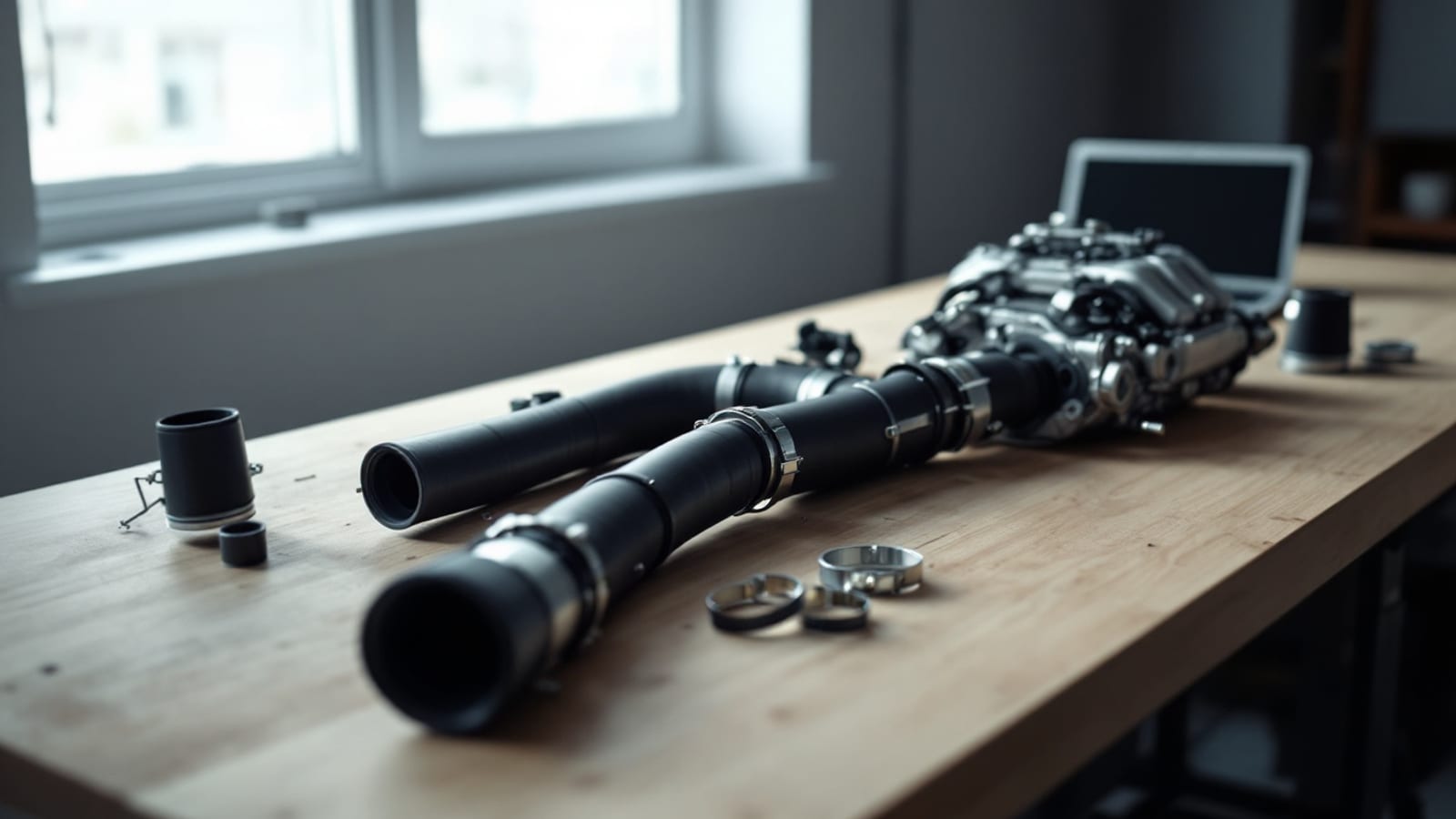
MAF vs Speed Density: Which Air Model Your Tune Actually Uses
Every fuelling decision your ECU makes starts with an estimate of airflow. Here is how the two models work, how blended strategies switch between them, and how to tell which one is lying to you.
Read the article →
Reading Your First WOT Pull: What a Good Datalog Actually Looks Like
You have a wide-open-throttle datalog open and no idea whether it is good news. Here is the exact order to read it in, the four numbers that decide go or no-go, and what each failure pattern is telling you.
Read the article →
Remote ECU Tuning When There Is No Local Shop: How It Actually Works
Most of the country is nowhere near a competent tuning shop. Here is how remote and online tuning works in practice, what you still have to do locally, and how to judge whether your build is a good candidate.
Read the article →
Spark Timing Tables Explained: How Much Timing Is Safe, and How to Add It
Timing is where tunes make power and where engines die. Here is what the spark tables in your calibration actually do, how to find the point of diminishing returns, and the disciplined way to add advance without guessing.
Read the article →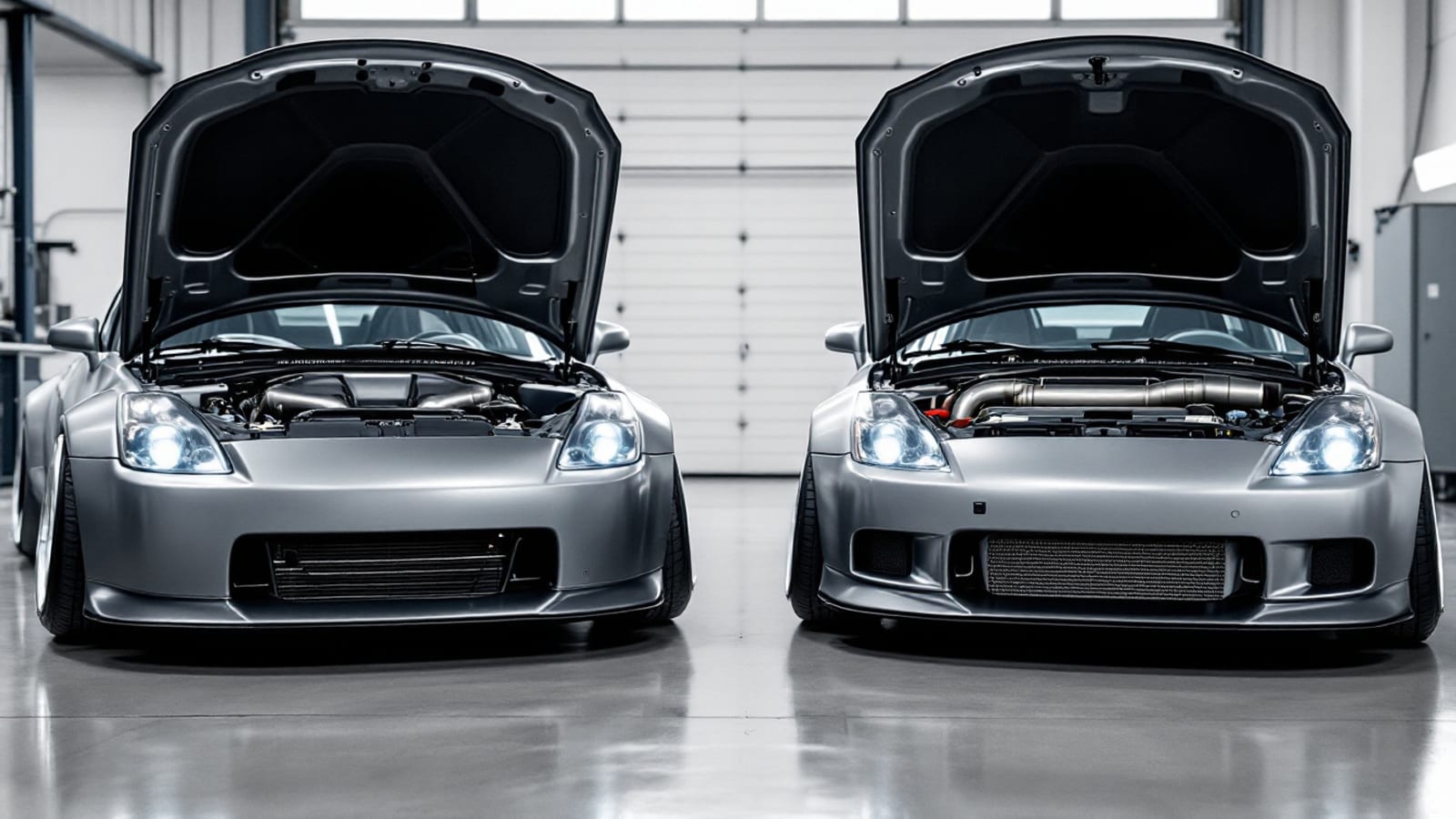
Stage 1 vs Stage 2 Tuning Explained in Plain English
What stage 1 and stage 2 actually mean, why the labels are marketing rather than engineering, what each one costs, and how to tell which one your car is genuinely ready for.
Read the article →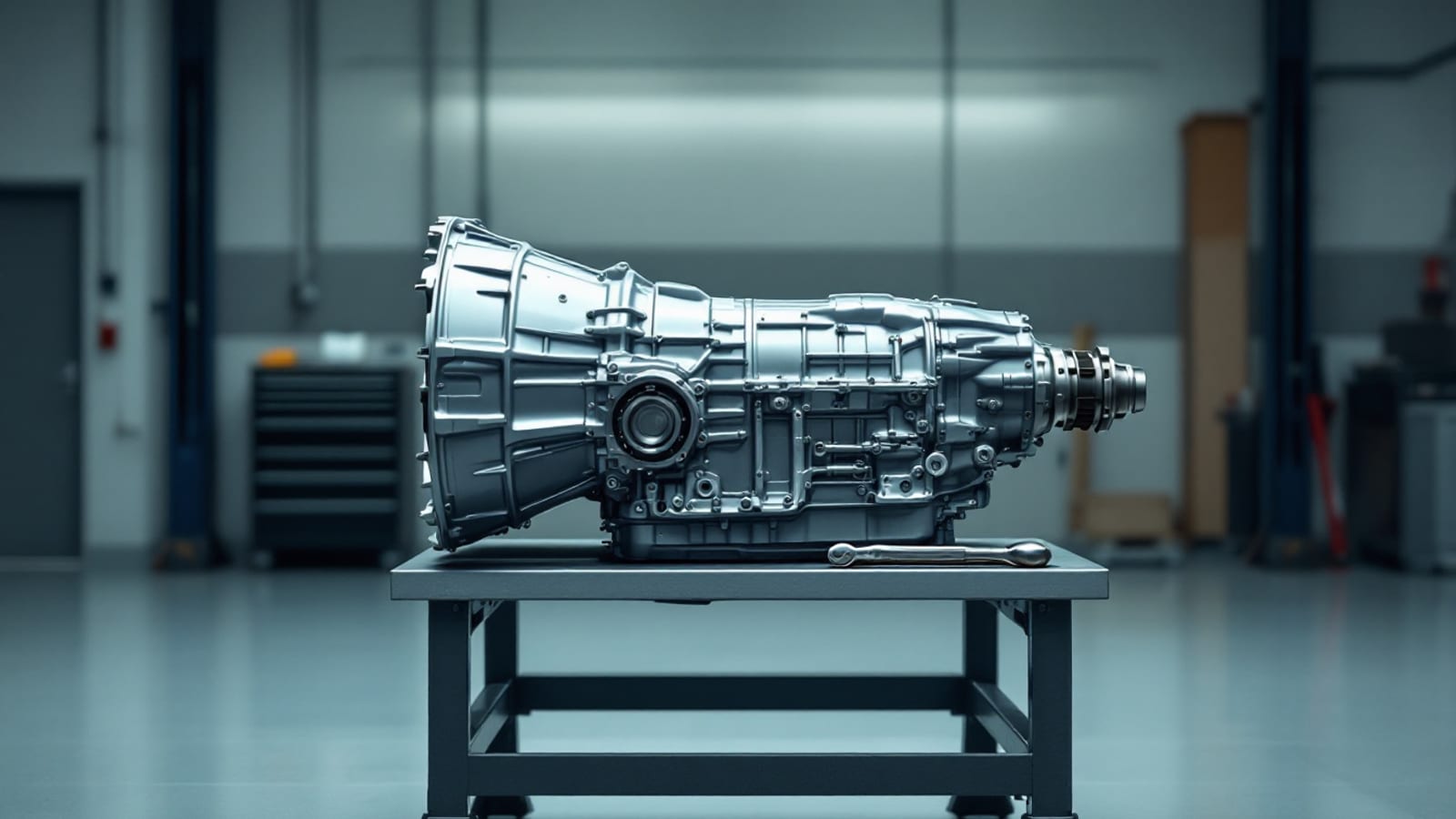
Transmission Tuning and Torque Management: The Half of the Tune Most DIYers Skip
You added power and the car feels worse. Usually that is the transmission calibration and the torque management tables reacting to an engine they were never written for — here is what they do and how to approach them safely.
Read the article →
TuneVault Pricing Explained: What $39, $19, $49 and $249 Actually Get You
A plain breakdown of every TuneVault plan — what a single guided tune includes, where each monthly tier makes sense, what the product does not do, and how to pick without overbuying.
Read the article →
VE Table Tuning: A Step-by-Step Correction Workflow That Converges
The volumetric efficiency table is the ECU's model of your engine's breathing. Here is a repeatable correction loop — which cells to fix first, how to calculate the change, and how to avoid the edits that undo last week's work.
Read the article →
Do I Need a Wideband to Tune? When & Why
Learn when a wideband matters for tuning and when you can skip it. Get the honest breakdown to tune with confidence.
Read the article →
DIY Tuning Copilot vs E-Tuner vs Dyno Shop: Which Path Fits Your Build
An honest comparison of the three realistic ways to get your car calibrated — guided DIY software, a remote e-tuner, or an in-person dyno shop — including what each one is genuinely bad at.
Read the article →
Does ECU Tuning Improve Fuel Economy? The Honest Answer
Whether a tune can actually cut your fuel bill, the specific situations where it genuinely does, why the payback math rarely works on a healthy stock car, and what to spend the money on instead.
Read the article →
ECU Tuning Cost: What You'll Actually Pay
Compare real ECU tuning prices across all methods. See breakdown of dyno, e-tune, and handheld costs plus hidden fees. Get accurate pricing now.
Read the article →
HP Tuners Datalog Channels Explained: What Every Number Actually Means
You have a datalog open and no idea what you are looking at. Here is what each channel measures, what a healthy value looks like, and which five numbers decide whether the tune is safe.
Read the article →
Will HP Tuners Work on My Car? Coverage, Credits, and VIN Licensing Explained
How to find out whether your vehicle is actually supported before you spend anything — what read, write, and datalog support each mean, how the credit and VIN licensing system works, and the coverage traps that catch buyers.
Read the article →
LS Swap Cranks But Won't Start: The Tuning Checklist
A diagnostic order of operations for an LS swap that turns over and never fires — VATS and anti-theft, cam and crank correlation, injector and airflow configuration, and how to tell a calibration problem from a wiring problem.
Read the article →
Tune File Management: Stock Reads, Versioning, and Backups That Save Engines
The unglamorous habit that separates tuners who improve from tuners who go in circles — how to name, version, pair, and back up your calibration files and datalogs so every change stays traceable.
Read the article →
Tune Car Without Failing Emissions — Legal Ways
Learn which tuning modifications pass emissions tests, what regulators allow, and how to upgrade performance safely. Read the guide now.
Read the article →
VCM Editor for Beginners: Your First Read, Edit, and Write
A plain-English walkthrough of how HP Tuners VCM Editor actually works — reading your stock calibration, understanding the table layout, making a first safe edit, and writing it back without wrecking anything.
Read the article →
ECU Tuning Explained: Real Gains, Real Risks, and the Datalog Verification Loop
What ECU tuning actually changes, the power gains you can realistically expect, the failure modes that destroy engines, and the datalog verification loop that separates a safe tune from an expensive mistake.
Read the article →Got your own car in front of you? Let the Copilot read your tables.
Open the Copilot