Transmission Tuning and Torque Management: The Half of the Tune Most DIYers Skip
You added power and the car feels worse. Usually that is the transmission calibration and the torque management tables reacting to an engine they were never written for — here is what they do and how to approach them safely.
By TuneVault
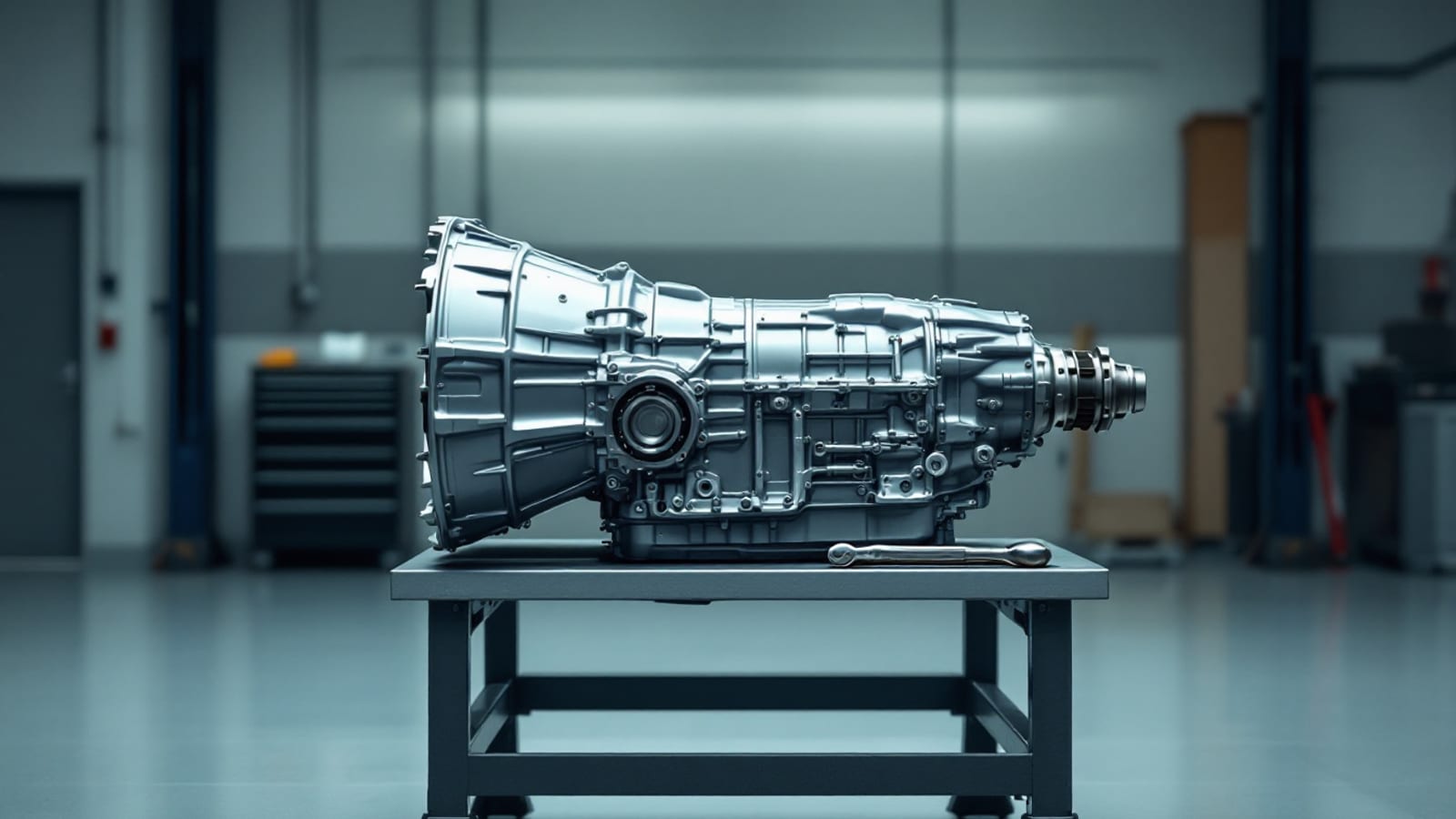
Someone finishes an engine tune, sees good numbers in the log, drives the car, and it feels worse. Softer. Hesitant between gears. Flat exactly where it should be strongest.
As of July 2026 this is one of the most common complaints in DIY tuning, and the engine calibration is usually not the problem. The transmission calibration is — specifically the shift tables, converter lockup schedule, clutch pressures and the torque management strategies, all of which were written around a torque curve your engine no longer produces.
Two calibrations, one car
On most modern vehicles the engine and transmission are calibrated separately even when both live in the same controller. The engine side decides fuel, spark and airflow. The transmission side decides when to shift, how firmly, when to lock the torque converter, and how much engine torque to permit at any given moment.
They are coupled by an assumption: the transmission calibration is written for a known torque input. Factory engineers knew exactly how much torque the engine would deliver at every RPM and load, and every shift point, apply pressure and lockup decision was chosen against that curve.
Change the engine and that assumption quietly stops being true. Nothing errors. Nothing sets a code. The transmission simply keeps making decisions optimized for an engine that no longer exists.
What torque management actually is
Torque management is a family of strategies that deliberately reduce engine output at chosen moments. Reduction is achieved through timing retard, throttle intervention, fuel changes, or a combination.
The intent is legitimate and worth respecting:
- During shifts. Cutting torque momentarily while clutches swap makes the shift smoother and dramatically reduces the energy the clutch has to absorb.
- In low gears. First and second multiply engine torque enormously. Limiting output there protects axles, driveshafts and mounts from loads that would otherwise exceed their design.
- At driveline limits. Some strategies cap torque based on estimated driveline load regardless of what the driver asked for.
On a stock car you never notice. On a modified engine the effect can become obvious and irritating: the car pulls, softens, then pulls again — and the calibration is doing exactly what it was told to do, using a torque model that is now underestimating what the engine makes.
The important part: this is not a bug to be deleted. Every intervention above is protecting something with a finite strength that did not increase when you added power. Removing them wholesale moves the entire unmanaged spike onto components designed around the assumption they would be there. The considered approach is to identify the specific table intervening in the specific condition that bothers you, adjust that one, and observe.
Shift points, and why the factory ones stop being right
Factory shift points balance three goals — comfort, emissions behaviour and keeping the engine near its efficient range. Performance is a fourth priority at best.
When modifications move where the engine makes torque, two failures appear:
Shifting too early. The engine is still climbing when the transmission upshifts, so the pull ends before it needed to. Common after a camshaft or forced induction moves the powerband upward.
Landing outside the band. The gear ratio drops engine speed into a region where the new curve is weak, so the car falls flat after every shift. Wide-ratio transmissions paired with peaky engines are the classic case.
The correct shift point is the one that leaves the engine, after the ratio change, still in its useful range — which means you cannot choose shift points until you know your actual torque curve. That ordering is not optional, and it is why transmission work follows engine work rather than accompanying it. A dyno chart is the ideal input; careful datalogs across the range are a workable substitute.
Line pressure, apply pressure, and the firmness trade
Clutch packs are applied hydraulically. The pressure applied determines how quickly they clamp and how much torque they can hold before slipping.
More torque needs more pressure. If engine output increased and pressures did not, the clutches slip a little longer during each shift — and slip means heat, and heat is what destroys friction material. This is the most expensive failure in the whole subject and the least visible, because it degrades gradually across thousands of shifts rather than announcing itself.
Raising pressure shortens the slip and firms the shift. That is why "firmer shifts" and "longer transmission life under more power" are often the same adjustment. But there is a real ceiling: excessive pressure produces harsh engagement that shock-loads the driveline, and past a point it is worse for longevity than the slip it removed. Firm is the goal; violent is not.
| Symptom | Likely transmission-side cause | Approach |
|---|---|---|
| Pull ends early, engine still climbing | Shift point placed for the old torque curve | Move the upshift point up in that gear |
| Flat spot right after every shift | Landing below the new powerband | Reconsider shift RPM against the real curve |
| Soft, slurred shifts under power | Apply pressure low for the new torque | Raise pressure incrementally, watch for harshness |
| Car softens mid-pull then recovers | Torque management intervening | Identify the specific table for that condition |
| Converter locking and unlocking repeatedly | Lockup schedule fighting the new curve | Adjust lockup thresholds for the load range |
| Burnt smell, gradual slip | Clutches already slipping under load | Stop. Mechanical assessment before more calibration |
That last row is a stop signal, not a tuning task.
The order of operations
Transmission work belongs after engine work, for the same reason fuel comes before spark: the input has to be known before the response can be calibrated.
- Finish the engine calibration. Airflow verified, fuel trims resolved, full-load fueling confirmed on a wideband, timing set with margin. The datalog reading guide covers what "verified" means.
- Establish the actual torque curve. Dyno, or careful logs across the range. Guessing here makes every downstream choice a guess.
- Address pressures before shift points. Protecting the clutches matters more than optimising where the shift lands.
- Then shift points and lockup, one at a time, driving between each.
- Then revisit torque management, table by table, only where a specific condition justifies it.
And the rule that governs all of it: one parameter per change, and drive it. Transmission symptoms are slower and vaguer than engine symptoms — no knock counter tells you a clutch is unhappy. Bundled changes are close to impossible to unwind, which makes disciplined file management more important here than anywhere else in the calibration.
Platform reality and honest limits
Access varies enormously. Some controllers expose extensive transmission tables; others expose very little. Coverage for the transmission side of a calibration is not always the same as coverage for the engine side on the same vehicle, which surprises people — worth checking against your vendor's coverage list before planning the work. The platform comparison covers how to verify that properly.
Being direct about scope: TuneVault's audit and change lists are focused on the engine-side calibration — fueling, airflow, spark, injector data and the limits around them — and on verifying those with a VCM Scanner datalog. It will tell you whether your engine calibration is safe and what to change. It is not a transmission calibration service, and on a heavily modified driveline a specialist who knows your specific transmission is worth what they charge.
What it does do is make step one of the list above trustworthy, which is the step everything else depends on. Get the engine right, know your curve, then approach the transmission with one change at a time. The ECU tuning fundamentals article covers that foundation, and if you want your engine tables audited before you move on to the driveline, start here.
Frequently asked questions
Why does my car feel worse after an engine tune?
Frequently because the transmission calibration has not been touched. Shift points, torque converter lockup and clutch apply pressures were all written for the factory torque curve, and your engine no longer produces that curve. The result is shifts that land in the wrong place, a converter locking when it should not, and clutches applied with pressure calculated for less torque than they are now being asked to hold.
What is torque management?
A family of strategies that deliberately reduce engine output at specific moments — during a shift, in low gears, or when traction or driveline load limits are approached. Manufacturers use it to protect the driveline and to make shifts smooth. It is entirely intentional, and on a modified engine it can be reducing output at moments you did not expect, which is why some tunes feel flat despite good full-load numbers.
Should I remove torque management completely?
No. It exists to protect a driveline that has finite strength, and stripping it out wholesale transfers the full unmanaged torque spike to clutches, gears, axles and mounts that were designed around it being there. The considered approach is to understand which specific table is intervening in the condition that bothers you, and adjust that one — not to disable the whole system because a forum post said to.
Will tuning the transmission make my shifts firmer?
It can, and that is one of the most common requests. Firmness comes largely from apply pressure and shift timing, and raising pressure shortens the slip during a shift, which reduces clutch heat and wear at the cost of comfort. There is a real limit: too much pressure produces harsh engagement that stresses driveline components and, in some cases, is worse for longevity than the slip it eliminated.
Do shift points need to change when I add power?
Usually yes. Factory shift points are placed for the stock torque curve, emissions and comfort. If your modifications moved where the engine makes its torque — a camshaft or forced induction commonly does — the factory points may now be shifting before the useful range ends, or dropping the engine outside its band on the next gear. The right shift point is the one that keeps the engine in its actual powerband, which is knowable only after you know the new curve.
Is transmission tuning risky?
It carries real risk, because the failure modes are expensive and slower to appear than an engine failure. A calibration that lets clutches slip under increased torque destroys them gradually and the damage is done well before you notice. Change one parameter at a time, drive it, and treat any new noise, slip or heat as a stop signal.
Can I tune the transmission without tuning the engine?
On many platforms yes, since the engine and transmission calibrations are separate even where they live in the same controller. Shift-point and firmness changes on an otherwise stock car are a legitimate standalone project. Just remember that the transmission calibration is written around a specific torque input, so if the engine changes later, the transmission work will need revisiting.