LS Swap Tuning: Who to Talk To — Mail-Order Flash, Local Tuner or DIY
A swap needs two different jobs done to its computer: making it start in a chassis it was never built for, and calibrating it for the engine you actually built. Which of the three routes does which job, what to ask each one, and how to pick by build rather than by price.
By TuneVault
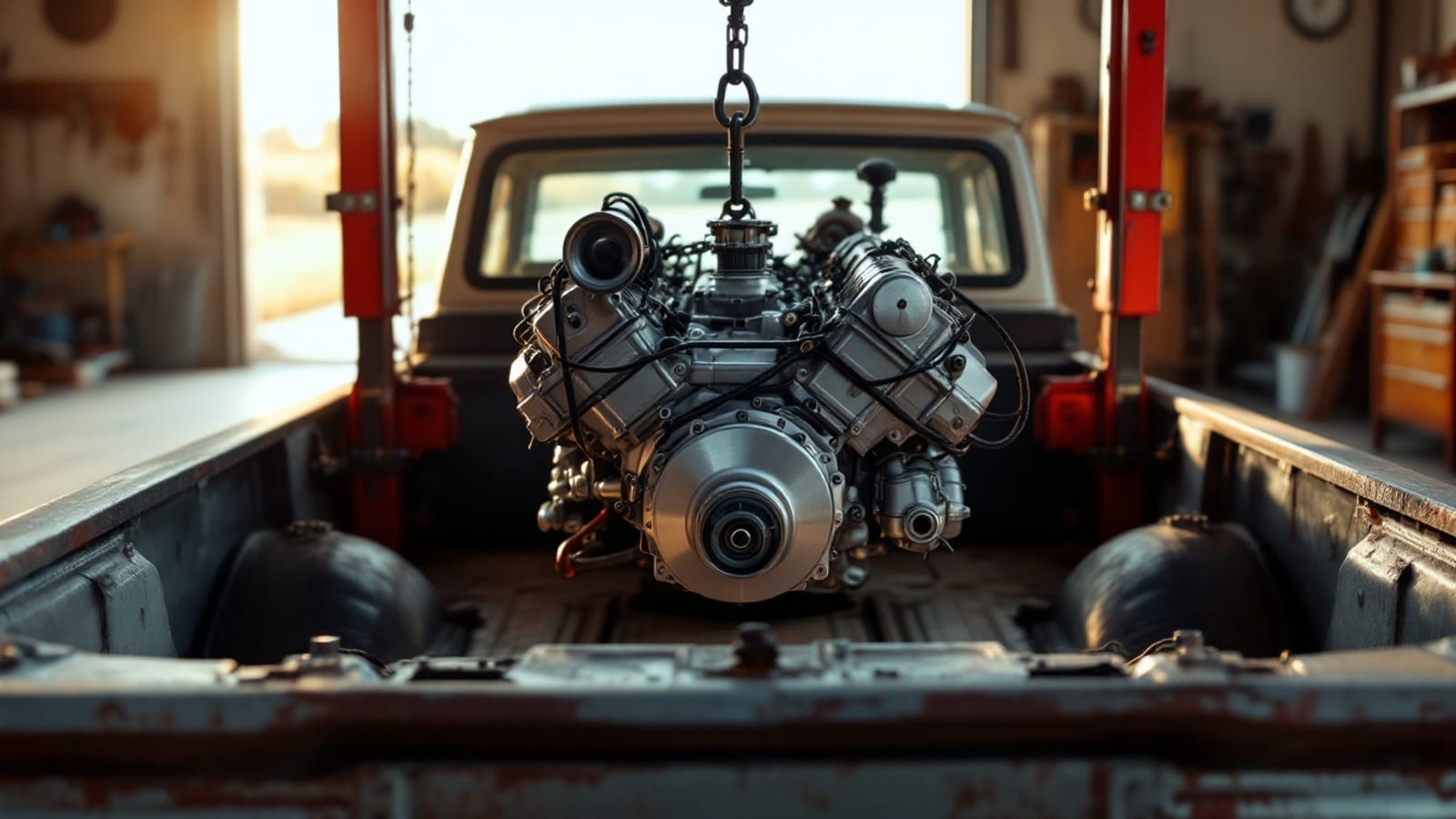
"Who should I talk to about tuning my LS swap" sounds like one question. It is two, and treating it as one is how people end up paying twice.
A swap needs its computer to do two different things. First it has to run in a vehicle it was never built for — without the original anti-theft module, without sensors and systems the new chassis does not have, with a different transmission, gear ratio and tire size. Then it has to be calibrated for the engine you actually built. Those are separate jobs, and the three routes people choose between are not equally good at both.
As of October 2026 the short answer is: a mail-order flash service for getting a stock or mild swap started, a local dyno tuner for a cammed, boosted or otherwise modified engine, and DIY with HP Tuners if you want to learn and expect to keep changing the build. A custom dyno tune commonly runs $300–600; the other two are usually less money and more of your own time.
The two jobs, kept apart
Job one: configuration. The engine computer was programmed for a specific vehicle. Out of that vehicle it expects things that are no longer there. The anti-theft system is the famous one — without the original module answering, the computer will let the engine start and then shut the fuel off. Beyond that there are features the swap chassis lacks, a transmission that may be different or absent, and basic values such as gearing and tire size that the computer uses for speed and shift calculations.
None of that is tuning in the performance sense. It is making the computer agree with the vehicle around it. When a freshly swapped engine cranks and will not run, this job is the first suspect, and the LS swap cranks-but-won't-start checklist works through it in order.
Job two: calibration. This is the part that describes your engine to the computer: how much air it moves, what the injectors flow, how much spark it can take on your fuel. A stock engine with stock parts is already described by the factory file. A camshaft, different injectors, a different intake manifold, long-tube headers or a power adder each make the factory description wrong.
Keep the two apart and the routes become easy to compare.
Route one: a mail-order flash
You send the computer, or order one, with a form describing the engine, transmission, gearing and tire size. It comes back programmed to run in a swap.
What it is good at: job one. This is a well-worn path, and for a stock engine on stock injectors with a factory-style intake it is frequently all the car ever needs.
What it cannot do: verify anything. The service has never seen your car. The file is built from a form, so its accuracy is limited by the form — and a form cannot tell anyone that your fuel pressure is low, that there is a vacuum leak at the intake, or that the cam you described behaves differently from the one they assumed.
Questions to ask before ordering:
- Can I read the file back and keep a copy? You want it in your own archive.
- What exactly is changed from the factory calibration?
- If I add a camshaft later, is an update available and what does it cost?
- Is the computer locked afterwards? A locked controller limits who can work on it later, which is the subject of who owns your tune file.
One thing to watch for: a service that lists disabling emissions monitors or equipment as a standard swap feature. Emissions rules apply to swapped vehicles — in many states more strictly, not less — and that is your liability, not theirs.
Route two: a local tuner
A tuner with a dyno, the car in front of them, and a wideband in the exhaust.
What it is good at: job two, and the difficult cases of job one. This is the right answer for a cammed engine that will not idle, for anything boosted, and for a swap with a problem nobody has diagnosed. A person who can hear the engine and watch it under load will find things a form never reveals. The idle side alone can take real time on a big cam, as rough idle after a camshaft swap explains.
What it costs: a custom dyno tune commonly runs $300–600, and a modified swap is usually toward the top of that or above, because swaps bring surprises. The full breakdown by route is in the 2026 ECU tuning cost guide.
What to check first: that the tuner works on swaps specifically. A shop that tunes late-model cars all day may have little patience for a harness someone built in their garage. Ask what they need the car to be able to do when it arrives — most want it starting, holding fluids, and free of leaks. The general questions are in how to vet a tuner.
The remote variant. An e-tuner does the same calibration work from your datalogs, without the dyno. It suits a healthy swap and an owner who can record clean logs, and it is covered in remote ECU tuning when there's no local shop.
Route three: doing it yourself
An interface, a licence for the controller, a wideband, and time.
What it is good at: a build that will keep changing. Every new part on a swap wants a calibration update, and paying for each one adds up. Owning the tools means the next cam or the switch to E85 costs you an evening rather than an invoice.
The LS family is close to the ideal first platform. It is thoroughly supported, the documentation is deep, and almost every problem you will meet has been met before. The generations differ in ways that matter — the older cable-throttle engines are simpler than the later ones — and LS vs LT tuning across Gen III, IV and V lays that out.
What it demands: order and patience. The sequence is the same every time and is set out in the LS swap tuning step-by-step process: start and idle, airflow model, fueling under load, then timing. Skipping ahead is how engines get hurt.
Where a copilot fits: between owning the tools and knowing what to do with them. TuneVault reads your VCM Editor tables from screenshots, audits them, gives you an ordered change list with reasons, and checks your datalog afterwards. It is $39 per guided tune, with plans at $19, $49 and $249 per month, and the swap-specific view is on the LS swap tuning page. It is guidance, not a replacement for a tuner on a difficult build.
Platform choice is rarely a real decision on a GM swap, but if you are weighing tools, EFI Live vs HP Tuners vs COBB covers the differences.
Side by side
| Mail-order flash | Local tuner | DIY with HP Tuners | |
|---|---|---|---|
| Gets a swap to start and run | Yes — its main purpose | Yes | Yes, with learning |
| Calibrates a modified engine | No, only estimates from a form | Yes, verified under load | Yes, at your pace |
| Sees your actual car | Never | In person | You do |
| Handles later changes | A new order each time | A new appointment each time | An evening's work |
| Your time | Least | Little | Most |
| Typical cost | Set by the provider, usually the lowest | $300–600 is the common range | Hardware and licensing, plus $39 for a guided tune |
Picking by build
Stock engine, stock injectors, factory-style intake. A mail-order flash, then a datalog to confirm that fuel trims are sensible and nothing is being hidden. Trims are the quickest check there is; fuel trims explained shows what healthy looks like.
Mild cam, headers, otherwise ordinary. A base flash will get it running, but it needs calibrating. Either a local tuner or DIY, depending on whether you want the knowledge.
Big cam, different injectors, or any power adder. A local tuner, or DIY only if you already have experience. This is where a form-based file is least adequate and where a mistake costs the most.
A swap that will not behave and nobody knows why. A person, in the room, with the car. Do not buy a tune to fix a mechanical or wiring fault — work through the pre-tune mechanical checklist first.
The legal part, before you buy anything
Engine swaps are regulated, and the rules vary by state and by the age of the vehicle. The common principle is that the emissions equipment belonging to the engine should be present and functioning, and several states inspect swapped vehicles individually. That can decide which engine, which exhaust and which sensors you need, so it belongs at the planning stage. The tuning and emissions inspection guide covers how the calibration side fits in. TuneVault does not help with disabling emissions equipment.
What to have ready, whoever you choose
Whichever route you take, the same information makes it go faster: engine and controller details, donor year, every hardware change with part numbers, injector data, transmission, gear ratio, tire size, fuel, and a plain list of what the chassis has and lacks. The full list is in what to send your tuner.
And before anyone changes anything, read the computer and save the file somewhere safe. On a swap, where the controller may have passed through three sets of hands before it reached you, that copy is the only record of what you started with.
Frequently asked questions
Who should I talk to about tuning an LS swap?
It depends on which job you need. As of October 2026 a mail-order flash service is the usual answer for getting a stock or mild swap to start and run, a local tuner with a dyno is the answer for a cammed, boosted or otherwise modified engine, and DIY with HP Tuners suits an owner who wants to learn and will keep changing the build. Many swaps use two of the three: a base flash to get running, then a real calibration.
What does a mail-order LS swap flash actually do?
It prepares the computer to run outside the vehicle it came from — typically handling the anti-theft handshake, features the new chassis does not have, and basic settings such as gearing and tire size from a form you fill in. It is a starting configuration for the engine as described, not a calibration verified on your car.
Is a base swap flash enough to drive the car?
For a stock engine with stock injectors and a factory-style intake, often yes, and many swaps run for years that way. For a camshaft, different injectors, a different intake or forced induction it is only enough to start and move the car, and the fueling and timing still need to be calibrated properly.
How much does LS swap tuning cost?
A custom dyno tune commonly runs $300–600, with modified and boosted engines toward the top of that range or above. Mail-order flash services and remote e-tunes are priced by each provider and usually cost less than a dyno session. DIY costs are mainly the interface, vehicle licensing and a wideband; a guided TuneVault tune on top of that is $39.
Can I tune my own LS swap with HP Tuners?
Yes — the LS family is among the best supported and best documented platforms there is, which makes it a reasonable first project. You need the interface, a licence for the controller, a wideband and the patience to work in order: get it starting and idling, sort the airflow model, then fueling under load, then timing.
Does an LS swap have to pass emissions?
That depends on your state and the vehicle's age, and the rules are specific. As a general principle, engine-swap regulations expect the emissions equipment belonging to the engine to be present and working, and several states inspect swapped vehicles individually. Check your state's requirements before buying parts, because the answer can decide which engine and which accessories you need.
What should I send a tuner for a swap?
The engine and controller details, the donor vehicle year, every hardware change, injector part numbers, the transmission, rear gear ratio, tire size, the fuel you will run, and a list of what the chassis does and does not have. A datalog of the car's current behaviour helps a great deal if it already runs.